শিরোনামঃ
Loading...
Showing posts with label online Tach news. Show all posts

মোবাইলে জ্বালাতনকারীকে সনাক্ত করার চারটি উপায়

মোবাইলে জ্বালাতনকারীকে সনাক্ত করার চারটি উপায়
  

মোবাইল ফোনের মাধ্যমে আমাদের অনেক প্রয়োজনীয়তা মিটেছে। বিশেষ করে এই ডিভাইসটির সাহায্যে খুব দ্রুত এক দেশ থেকে অন্য দেশে আমরা খোঁজ-খবর নিয়ে থাকি।
একটা সময় যখন মোবাইল ফোন ছিল না, কাউকে কোনো খবর জানাতে হলে এক মাস বা তারচেয়ে বেশি সময় প্রয়োজন হত। কারণ ওই সময় খবরের আদান-প্রদান করা হত চিঠির মাধ্যমে। এরপর ইন্টারনেট এসে সহজ হয় যোগাযোগ।
ইন্টারনেটের পরপরই আসে মোবাইল ফোন। যা আমাদের যোগাযোগকে আরো অধিকতর সহজ করেছে।
এতে শুধু মেইল বা মেসেজ নয়, অনায়াসে তার কণ্ঠ শুনে খোঁজ-খবর নিতে পারছে ব্যবহারকারীরা। এমনকি ভিডিও কলের মাধ্যমে তাকে দেখতেও পারছে তারা। তবে প্রত্যেকটা আবিষ্কারের যেমন সুবিধা রয়েছে, তেমন রয়েছে অসুবিধাও।
আপনি যখন কোনো ফোন ব্যবহার করবেন তখন আপনার নাম্বারটি সকলের কাছে পরিচিত হবে এটাই স্বাভাবিক। কিন্তু সমস্যা হল, একটি ফোন থাকা মানে সেখানে পরিচিত-অপরিচিত মানুষের কল আসা। আপনারও সেটি আসবে।
এর মাধ্যমে ফোনে অপরিচিত নম্বর এসে হয়রানির শিকারও হবেন আপনি। একটি ফোনে এমন এমন নাম্বার থেকে কল আসবে, আপনি বুঝেও উঠতে পারবেন না, কে সে? এই সময় আপনি কী করবেন?
আধুনিক সময়ে এসে তা নিয়ে ঘাবড়ানোর কোন কারণ নেই। কারণ আধুনিক প্রযুক্তির যুগে আপনি কিছু পদ্ধতি অবলম্বন করলে খুব সহজেই অপরিচিত ব্যক্তির পরিচয় জানতে পারবেন।
আর পরিচয় জানা মানে ডিস্টার্ব থেকে নিজেকে রক্ষা করা। কিন্তু কিভাবে সেটা? অনেকেই এই নিয়ম জানেন আবার অনেকেই জানেন না। আর যারা জানেন না তাদের জন্য আজকের এই লেখা। আজ আমি পাঠক বন্ধুদের জানাবো, কিভাবে খুব সহজে একজন অপরিচিত মানুষকে চিনতে পারবেন।
তবে অপরিচিত মানুষটিকে চিনতে হলে আপনার দরকার হবে একটি স্মার্ট ফোন আর তার মোবাইল নম্বর আর কিছু অ্যাপ্লিকেশন। তাহলে খুব সহজেই আপনি বের করতে পারবেন সে মানুষটিকে।
চলুন মোবাইল নাম্বার দিয়ে অপরিচিতের পরিচয় কিভাবে বের করবেন, জেনে নেয়া যাক। প্রথমে এই কাজের জন্য আপনাকে যেতে হবে গুগল প্লে-স্টোরে। সেখানে রয়েছে কিছু মোবাইল ট্র্যাকিং অ্যাপস।
এছাড়াও রয়েছে কিছু ওয়েবসাইট। এই অ্যাপ এবং সাইটগুলো মোবাইল নাম্বারটি ট্র্যাক করে, সেটি কার নাম্বার খুব সহজেই জানিয়ে দিতে পারে।
True caller (ট্রু কলার)
ট্রু কলার হলো একটি মোবাইল ট্রাকিং অ্যাপ। এর মাধ্যমে আপনি সহজেই একজন অপরিচিত মানুষকে চিনতে পারবেন। আর এই কাজের জন্য এটি খুব জনপ্রিয়। গুগল প্লে স্টোরে এই অ্যাপটি খুব সহজেই পাওয়া যায়। প্রথমে অ্যাপটি আপনি আপনার মোবাইলে ফোনে সেভ করে নিন। এরপর এটি ইন্সটল হয়ে গেলে নোটিফিকেশনের মাধ্যমে আপনাকে জানিয়ে দেবে সেটি কার নাম্বার। যদি সেই নাম্বারটা আপনার ফোনে সেভ থাকে তাও সে জানাবে, আর না থাকলেও সে জানাবে। অ্যাপটি মূলত ওয়াইফাই নেটওয়ার্ক এর মাধ্যমে নাম্বারটি ট্র্যাক করে। তাই এর জন্য আপনাকে সব সময় মোবাইলে ইন্টারনেট সংযোগ রাখতে হবে।
Whoscall (হুসকল)
হুসকল হল ট্রু কলার এর মত একটি অ্যাপ। এটি ট্রু কলারের বিকল্প অ্যাপের মধ্যে সবচেয়ে জনপ্রিয়। অ্যাপটি গুগল প্লে স্টোর এবং অ্যাপল অ্যাপ স্টোরে খুব সহজেই পাওয়া যায়। প্রথমে ঠিক আগের মত এটি মোবাইলে ইন্সটল করে নিতে হবে। এরপর একইভাবে অ্যাপটি আপনাকে অপরিচিত ব্যক্তির পরিচয় জানাতে সক্ষম হবে। এই অ্যাপটি ২০১৯ সালে প্রথম বাজারে আসে। জানা গেছে, এখনো পর্যন্ত এটি প্রায় ৭০ মিলিয়নের বেশী ডাউনলোড হয়েছে। এই অ্যাপটির সবচেয়ে বড় বিশেষত্ব হল এটি ভুয়া কলকে ব্লক করে দিতে পারে অনায়াসে।
Find and Trace (ফাইন্ড এন্ড ট্র্যাক)
ফাইন্ড এন্ড ট্র্যাক। এটি কোন অ্যাপ নয় এটি একটি ওয়েবসাইট। এই ওয়েবসাইট যে কোন নাম্বারের তথ্য বের করে দিতে পারে খুব সহজেই। শুধুমাত্র নাম্বার নয়, অজানা গাড়ির নাম্বার, অজানা ল্যান্ডলাইনের নাম্বার, অজানা পিনকোড, এসটিডি, আইএসডি কোডসহ ইত্যাদি খুঁজে বের করতে পারে এটি অনায়াসে। সাইটটিতে ঢুকে আপনার সেই মোবাইল নাম্বারটি প্রবেশ করিয়ে সার্চ বাটনে ক্লিক করতে হবে। তাহলেই আপনি সেই মোবাইলের অনেক তথ্যই পেয়ে যাবেন। তবে এই ওয়েবসাইটটিতে আপনি কলারের নাম সব সময় খুঁজে নাও পেতে পারেন। তারপরেও এই সাইটটি বেশ জনপ্রিয়তার সঙ্গে কাজ করে আসছে। আপনি চাইলে এটি ব্যবহার করে দেখতে পারেন।
Mobile Number Locator (মোবাইল নম্বর লোকেটর)
মোবাইল নম্বর লোকেটর হল একটি ট্র্যাকিং অ্যাপ। এর জনপ্রিয়তাও খুব বেশী। এই অ্যাপের সাহায্যে অচেনা নম্বর থেকে ফোনদাতার রেজিস্টার্ড নাম জানা যায় খুব সহজেই। অ্যাপটির অন্যতম সুবিধা হচ্ছে, এটি ইন্টারনেট কানেকশন ছাড়াই পরিচালনা করা যায়। ইনকামিং ও আউটগোয়িং কল চলাকালীনই কলারের ও প্রাপকের বিস্তারিত জানিয়ে দেয় এই অ্যাপটি। গুগল ম্যাপের সাহায্যে এই অ্যাপ কলারের লোকেশনও দেখিয়ে দিতে সক্ষম।
জেডআই

মানুষের মাথা কত জিবি, জানেন কি?

মানুষের মাথা কত জিবি, জানেন কি?


ডেস্ক রিপোর্ট ● আমরা প্রায়ই কথা বলতে শুনি- মেমোরি কার্ড, ল্যাপটপ, কম্পিউটার হার্ডডিস্ক ও ইউএসবি ফ্লাশ ড্রাইভ এসব নিয়ে। মেমোরির ক্যাপাসিটি বা ধারণক্ষমতা নিয়ে আমরা আলাপ করি প্রতিনিয়ত।
বাজারে ১ জিবি, ২ জিবি এভাবে ১২৮ জিবি বা আরও বেশি জিবির মেমোরি কার্ড বা পেনড্রাইভ পাওয়া যায়। কিছু কিছু হার্ডডিস্ক ও পেনড্রাইভ ১০০০ থেকে ২০০০ গিগাবাইট পর্যন্ত মেমোরি ধারণ করতে পারে। কিন্তু আমরা কি ভেবে দেখেছি সৃষ্টিকর্তা আমাদের ব্রেনে কত জিবি মেমোরি দিয়েছেন?
বিজ্ঞানীরা আজও মানুষের ব্রেনের ক্যাপাসিটি বা ধারণক্ষমতা নির্ণয় করতে সক্ষম হননি। তবে বিজ্ঞানীরা বলছেন, আপনি যদি ৩০ লাখ ঘণ্টা বা ৩৪২ বছর একনাগাড়ে মস্তিষ্কের মেমোরি কার্ডে সারাক্ষণ ভিডিও ধারণ করেন, তাতেও আপনার মস্তিষ্ক নামের সুপার কম্পিউটারের মেমোরি স্পেস পূরণ হবে না।
মস্তিষ্কের মেমোরি স্পেস নিয়ে গবেষণা তথ্যে নর্থ ওয়েস্টার্ন বিশ্ববিদ্যালয়ের সাইকোলজির অধ্যাপক ড. পল রেবার উল্লেখ করেছেন, মানুষের মস্তিষ্কে রয়েছে ১০০ কোটি বা এক বিলিয়ন নিউরন। প্রতিটি নিউরন একে অপরের সঙ্গে গড়ে তুলেছে ১ হাজার সংযোগ, যার গাণিতিক সংখ্যা হবে এক ট্রিলিয়নের বেশি।
বিজ্ঞানীরা বলছেন, যদি প্রতিটি নিউরন একটি করে মেমোরি ধারণ করে তা হলেও কারও জীবদ্দশায় কখনও মেমোরি স্পেস শেষ হবে না। বরং এক একটা নিউরন অসংখ্য মেমোরি ধারণ করতে সক্ষম।
তিনি আরও বলেন, অধ্যাপক পল রেবর উল্লেখ করেছেন, ব্রেন যদি কোনো সর্বাধুনিক ডিজিটাল ভিডিও রেকর্ডারের মতো মেমোরি ধারণ করে, তা হলে সেই মেমোরি যদি কোনো টিভিতে অবিরাম সম্প্রচার করা হয়, তা হলে তিন শতাধিক বছর লাগবে তা প্রচার করতে।
বিজ্ঞানীরা বলছেন, ব্রেনের মেমোরি ধারণক্ষমতা কমপক্ষে ২ দশমিক ৫ পেটাবাইট অথবা ১ মিলিয়ন জিবি বা ১০ লাখ গিগাবাইট ধারণক্ষমতা রয়েছে মস্তিষ্কের মেমোরি কার্ডের।

The Galaxy Note 10 gets rid of the Bixby Key button, finally

The Galaxy Note 10 gets rid of the Bixby Key button, finally


The Galaxy Note 10 doesn't have a hardware button for Bixby, Samsung's AI smart assistant. The reveal came during the Samsung Unpacked event on Wednesday. Bixby debuted on the Galaxy S8 and S8 Plus in 2017 and was an attempt to answer Apple's Siri on the iPhone, the Google Assistant is on pretty much any Android phone and Amazon'sAlexa. Fine, but the biggest issue with Bixby has to do with the placement of a dedicated hardware button that triggered the assistant. Frequently when grabbing a Galaxy phone, it was easy to accidentally press the Bixby key and activate the assistant when you didn't want to.
Samsung also did away with the headphone jack on the new Note and there will no doubt be people mourning its loss. However, news that the Note 10 will lack the Bixby Key might actually spur figurative celebrations and parties. Remember, it wasn't until earlier this year that Samsung officially allowed people to remap the Bixby button to trigger another task or change Bixby's activation from a single press to a double one. These compromises made the "accidental press" go away, but the physical button now seemed to lack a purpose.

Android boost: Huge upgrade revealed ahead of major Google announcement

Android boost: Huge upgrade revealed ahead of major Google announcement


Android update
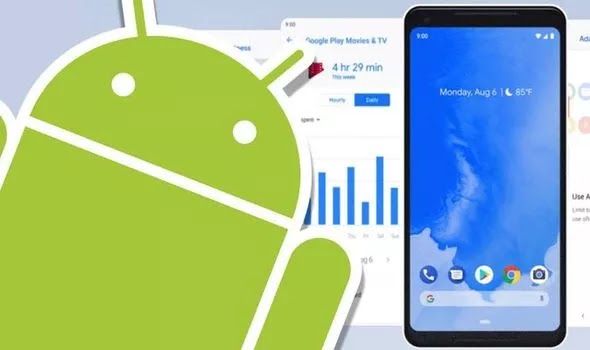
Android is harnessed by over 2.5 billion devices across the globe (Image: Google)

ANDROID has been updated ahead of a major Google announcement that will surely excite the tech giant's deluge of fans.

Android is Google's operating system that is harnessed by over 2.5 billion devices across the globe.

The software receives substantial yearly updates that typically introduce a swathe of new features.
This year Google will release Android Q, the tenth iteration of the operating system.
Ahead of its full launch, the American tech giant has released beta builds of Android Q that have showcased the new features it will bring to the table.

Google Warning: Tens Of Millions Of Android Phones Come Preloaded With Dangerous Malware Zak Doffman

Google Warning: Tens Of Millions Of Android Phones Come Preloaded With Dangerous Malware Zak Doffman

te about security and surveillance.


Millions of shiny new Android smartphones are being purchased with dangerous malware factory-installed, according to Google’s own security research team. There have been multiple headlines about the millions of harmful apps being installed from the Play Store, but this is something new. And the danger to unsuspecting users, trusting that new boxed devices are safe and clean, is that some of that preinstalled malware can download other malware in the background, commit ad fraud, or even take over its host device.

Android is a thriving open-source community, which is great for innovation but not so great when threat actors seize the opportunity to hide malware in basic software loads that come on boxed devices. New phones can have as many as 400 apps factory-installed, many of which we just ignore. But it transpires that many of those apps have not been vetted. The apps themselves will work as billed, providing a useful capability or service, so we can be forgiven for not considering the risk that might lurk within.
Google’s Maddie Stone, a security researcher with the company’s Project Zero, shared her team’s findings at Black Hat on Thursday. “If malware or security issues come as preinstalled apps,” she warned, “then the damage it can do is greater, and that’s why we need so much reviewing, auditing and analysis.”

The risk impacts Android’s Open-Source Project (AOSP), a lower-cost alternative to the full-fat version. AOSP is installed on lower-cost smartphones where cheaper software alternatives help keep prices down. This means owners of Android-badged devices from the likes of Samsung and Google itself are safe from this particular risk.
For an attacker, Stone warned, the benefit of supply chain compromise is that they “only have to convince one company to include their app, rather than thousands of users.” The Google team didn’t disclose any details of the brands of phones involved, but more than 200 device manufacturers fell foul of the testing, with malware allowing the devices to be attacked remotely.

Of particular concern were two particularly virulent malware campaigns: Chamois and Triada. Chamois generates various flavors of ad fraud, installs background apps, downloads plugins and can even send premium rate text messages. Chamois alone was found to have come installed on 7.4 million devices. Triada is an older variant of malware, one that also displays ads and installs apps.
Google is working to help device manufacturers screen for such vulnerabilities, and between March 2018 and March 2019, Stone claims such screening helped reduce the instances of devices infected by Chamois from 7.4 million to “only” 700,000. “The Android ecosystem is vast,” she warned, “with a diversity of OEMs and customizations—if you are able to infiltrate the supply chain out of the box, then you already have as many infected users as how many devices they sell—that’s why it’s a scarier prospect.”
In the meantime, the usual advice applies around downloading and installing apps from the Play Store. A healthy dose of skepticism does not go amiss when the app is from an unknown source. Not much users can do if those threats come preinstalled, though, and that’s why this revelation is so dangerous. For this one we need to rely on manufacturers to do the right thing and follow Google’s advice in screening software fully to eradicate such risks.


NASA reopens Apollo Mission Control Room that once landed men on moon

NASA reopens Apollo Mission Control Room that once landed men on moon


bdnews24
Gene Kranz, former Apollo flight director, cuts a ceremonial ribbon at NASA’s Johnson Space Centre in Webster, Texas, Jun 28, 2019. The historic mission control center’s grand reopening celebration coincides with the 50th anniversary of the Apollo 11 moon landing. The New York Times

After Gene Kranz retired in the 1990s, he started to give occasional tours to VIPs at NASA’s Johnson Space Centre.

It was there in the Apollo Mission Control Centre that Kranz had a view like few others during the highest highs and lowest lows of the moon race. As a flight director, he helped lead the complex human and technical operation that managed the triumph of the Apollo 11 moon landing 50 years ago. He also rallied and refocused NASA mission flight controllers after the tragedy of Apollo 1 in 1967, when Gus Grissom, Ed White and Roger B. Chafee died in a fire during a launchpad simulation.
But mission control was a mess.
Kranz would have to show up early before each tour to police the place. He had to pick up trash left on computer consoles that had once landed men on the moon. Water bottles, Coke cans. He would empty brimming wastebaskets.
“This place was not representative of historic mission control,” Kranz said. It was likewise a technical mess. “The configuration of the consoles in no way represented where we were and what we did.”
The newly-renovated mission control center at NASA’s Johnson Space CentrE in Webster, Texas, Jun 28, 2019. The New York Times
On Friday, Kranz and Jim Bridenstine, the NASA administrator, cut a ribbon marking the official reopening of the restored Apollo Mission Control Center. It was a three-year, $5 million project, and every inch of the famed heart of America’s lunar aspirations was repaired and refurbished. Its reopening comes three weeks before the 50th anniversary of Neil Armstrong’s giant leap for mankind, and helps to kick off Apollo festivities across the country.
Apollo mission control had been abandoned in 1992, with all operations moved to a modernised mission control center elsewhere in the building. Center employees, friends, family — and anyone, really, who had access to Building 30 — could walk in, take a seat, take a lunch break and take pictures.
While they were there, they might take a button from one of the computer consoles. Or a switch or dial, anything small — a personal memento from an ancient American achievement. The furniture fabric and carpet underfoot grew threadbare. The room was dark; none of the equipment had power. Wires hung where rotary phones had once sat. The giant overhead screens in front of the room were damaged, and the room smelled of mildew. Yellow duct tape held carpet together in places.
“You knew it wasn’t right — you just knew,” said Sandra Tetley, the historic preservation officer at the Johnson Space Center. “But it was not a priority. We are an organisation that’s moving toward the future, so there is not a budget to do things like this.”
The newly-renovated mission control centre at NASA’s Johnson Space Center in Webster, Texas, June 28, 2019. The New York Times
The project began in earnest six years ago. The anniversary loomed, and that was the catalyst to fix up mission control, and to do it right. “We wanted to meet a high standard to restore it, and we were able to meet this 50th anniversary,” Tetley said.
The National Park Service established the Apollo Mission Control Center as a National Historic Landmark in 1985. But once they had resolved to restore the facility in 2013, Kranz, Tetley, the restoration project manager Jim Thornton and others were stymied at every turn. There were funding issues and internal turf wars.
The Apollo Mission Control Center is in the middle of an operational building where life-or-death decisions are made for missions in flight. Judgment calls regarding spacewalks, station-threatening debris and solutions to mechanical malfunctions leave little margin for error — or interruption by errant tourists.
Eventually, however, Space Center Houston, a nonprofit educational complex and space museum, took the lead on fundraising efforts. The nearby city of Webster, Texas, donated $3.5 million of the $5 million necessary to complete the project. A Kickstarter campaign and independent donations filled in the rest.
Like the Oval Office, or the Assembly Room of Independence Hall, mission control is a distinctly American room — one so ingrained into culture that to say its name is to conjure it crisply in the mind, as if you had been there, even worked there. And the restoration was completed in a way that’s true to its place in the American historical imagination.
Four long rows of pale green consoles fill the room. There are white panels overhead and beige new carpet below. Lights dance purposefully on the consoles, with each one playing Apollo-accurate video broadcasts as would have been seen at the time of the moon landings, or displaying grids of numbers and prehistoric computer code. On four giant displays in the room’s front are maps, matrices and astronaut positional plots.
In a photo provided by JSC/NASA, Eugene F Kranz, flight director, in the control room during the Gemini program, preparing for a four-day flight, in Houston, May 30, 1965. The New York Times
On the consoles are the objects seen in photographs from the Apollo era. Ashtrays and coffee cups, staplers and stopwatches, pens and pencils, headsets and rotary dial phones. There are mission control manuals 3 inches thick and canisters for pneumatic tubes. Binders and eyeglasses and cigar boxes sit next to cans of RC Cola and packs of Winston cigarettes. The room is a museum piece, and yet it is alive, as if engineers stepped out briefly but would be right back. Every item is authentic, painstakingly researched from grainy photographs.
“It was a herculean effort by the team to really pull off what we pulled off in that room today,” said Jennifer Keys, project manager of the restoration team.
Ceiling tiles that matched the original were eventually recovered from a lobby phone booth elsewhere at the Johnson Space Center. Preserved wallpaper was discovered behind a fire extinguisher. All had to be meticulously matched or fabricated identically. Original paint was found for the consoles. And across those consoles, the artifacts of a time gone by.
“We tracked things down on eBay, from people’s donations — whatever we could scrounge up. We did a scavenger hunt across Johnson Space Center to find things like trash cans, chairs and binders,” said Keys.
The flight crews of Apollo mission control were known for their attention to detail. It’s how they got every astronaut home. The restoration team showed no less respect for fine details, and the effect is uncanny.
In a photo provided by JSC/NASA, Eugene F Kranz, flight director, in the control room during the Gemini program, preparing for a four-day flight, in Houston, May 30, 1965. The New York Times
From the observation gallery, you can all but see phantom engineers in white shirts and black ties speaking into headsets very calmly about high-stakes orbital maneuvers, see them making notes and pushing those buttons. The stories there play out in your imagination, and yet before your eyes.
Christopher Craft, who invented flight operations for NASA when the agency was formed, is credited with designing mission control. Nothing like the space program had existed, and there were no models for how it should be done. The air traffic control model wouldn’t work, because the tower in that setting has a line-of-sight on everything in its aegis. Mission control’s domain, on the other hand, is abstract: a specific set of procedures at any one time, and problems that are solved with mathematics and moxie.
The genius of its design is reflected in the present-day mission control center that runs operations for the International Space Station. The computers are smaller, the monitors larger, tabletops wider and office chairs nicer. But the design of the room is virtually identical. Five giant screens loom above, with mission status updates and feeds from orbit. And though the time of the Apollo generation draws rapidly to a close, the things used by mission control operators are still basically the same.
From the gallery, it is all plainly visible. Desktops are lined with coffee cups and Coca-Cola, pens and paperwork, binders, headsets and eyeglasses. The room is crowded and calm, the stakes still high. As NASA plots an American return to the moon in the next decade with the Artemis mission, the stakes will get higher yet.
Guided tours for the public will begin Monday. This past week, Kranz walked into the newly restored mission control for the first time. He approved.
“It was dazzling,” he said. “You couldn’t believe this. All of a sudden you were 50 years younger and you wanted to work in there. I wanted back in that room to work.”


© 2019 New York Times News Service